


 The Memorie d'Italia museum, founded in 1999 thanks to the Andrea and Giuliano Gandolfi brothers, is part of the Museum System of Iola di Montese, established in 2010, which included The Collection of Montesine Things. The Memorie d'Italia museum is made up of a series of thematic collections, which host around 4,000 original objects from the Second World War era, which are spread over 4 of the 12 rooms housed inside the former rectory in the hamlet of Iola a Montese, in the province of Modena.
The experience is completed by some paths that cross the battlefields where Allied and German soldiers fought in the months between 1944 and 1945 on the second and last line of resistance of the Green Line, better known as the Gothic Line. The museum overlooks the town square, which is located about 920 meters above sea level, next to the church built in 1635. Hospitality is guaranteed by the large car parks and nearby farmhouses, one of which can be reached with a short walk.
The MEMORIE D'ITALIA collections are divided into various rooms dedicated to the various armies then present in the area: - Wehrmacht - Heer: the 232nd Infantry Division and 114th Jager Division - US Army, 10th Mountain Division, - Força Expedicionária Brasileira (FEB), 1 Infantry Division and Força Aerea Brasileira (FAB) - Royal Italian Army and the Italian Social Republic A display case houses some objects supplied to the English army.
 All the objects, collected by type, represent what the soldiers on the front line had available. Uniforms, decorations, badges, weapons, everyday objects, emergency objects and various types of clothing and accessories are on display.
The collections, which highlight the technical peculiarities and the quality of means including comfort, available up to the front line of combat, are aimed at understanding what logistics was behind the fighters on the various battlefields according to the axiom for which wars are won by the army which has the most motivated men and the best logistics.
The museum has been officially recognized by the Association of Descendants of the 10th Mountain Division which every three years organizes the return to the battlefields of the upper Tuscan-Emilian Apennines: the next tour is scheduled for September 2025 and will be another appointment to remember the fighting of the 5th Allied Army which, in this area, led to the breakthrough of the German defenses by the soldiers of the 10th Mountain Division.
The Brazilian soldiers of the F.E.B., after the conquest of Monte Castello and Montese, replaced the Americans in the rear. In the rooms dedicated to the history of our country there are also books, report cards and school objects from the twenty years.
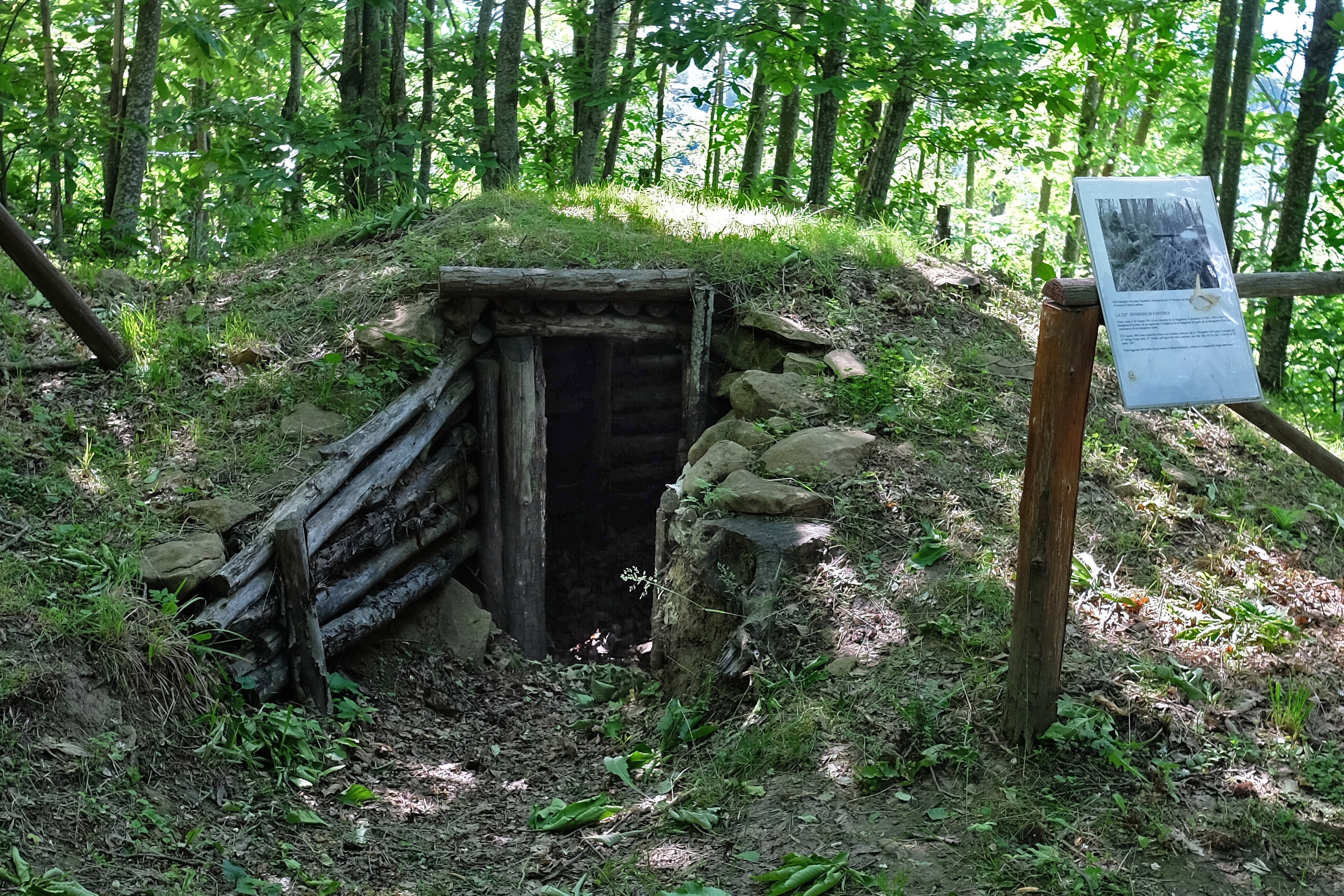 The museum is surrounded by the battlefields which between 1944 and 1945 were bloodied by fighting, which involved both soldiers and the civilian population, in one of the coldest and snowiest winters in living memory. Today the GOTHIC LINE PATHS cross these combat fields and follow the ridges and woods where the trenches and walkways of the opposing armies are still visible and where it is still possible to find some war relics. A path of reflection among centuries-old chestnut trees and memories that are fading with the passage of time.
Between 1944 and 1945, the Green Line II ran along the hills overlooking the country, the second in-depth resistance line of the German army, originally better known as the Gothic Line and renamed, in mid-1944, Grune Line (Green Line ). Immediately adjacent to the building that houses the museum, an equipped path begins which extends for approximately 800 meters on the ridge of Mount Terminale. On 3 March 1945, the soldiers of the 86th regiment of the 10th Mountain Division, once they had conquered the mountain, descended towards the town of Jola to free it from the German troops. In 2011 on the summit, near a small oratory and along the ridge, the trenches and an observatory where the soldiers of the two sides took shelter and from which they fought.
At the base of the mountain, a refuge was rebuilt in 2013, based on the testimonies of those who were there at the time, which was used by the inhabitants of the town to protect themselves from heavy bombardments, especially by artillery, from both sides. The main path, which develops from the car park in the village square along a ridge of approximately 16 km, towards Monte della Torraccia, Ronchidoso up to the top of Monte Belvedere. Travel time is approximately 6 hours. On both sides and along the long stretches that cross the woods, evidence of the battles that occurred almost 80 years ago are visible.